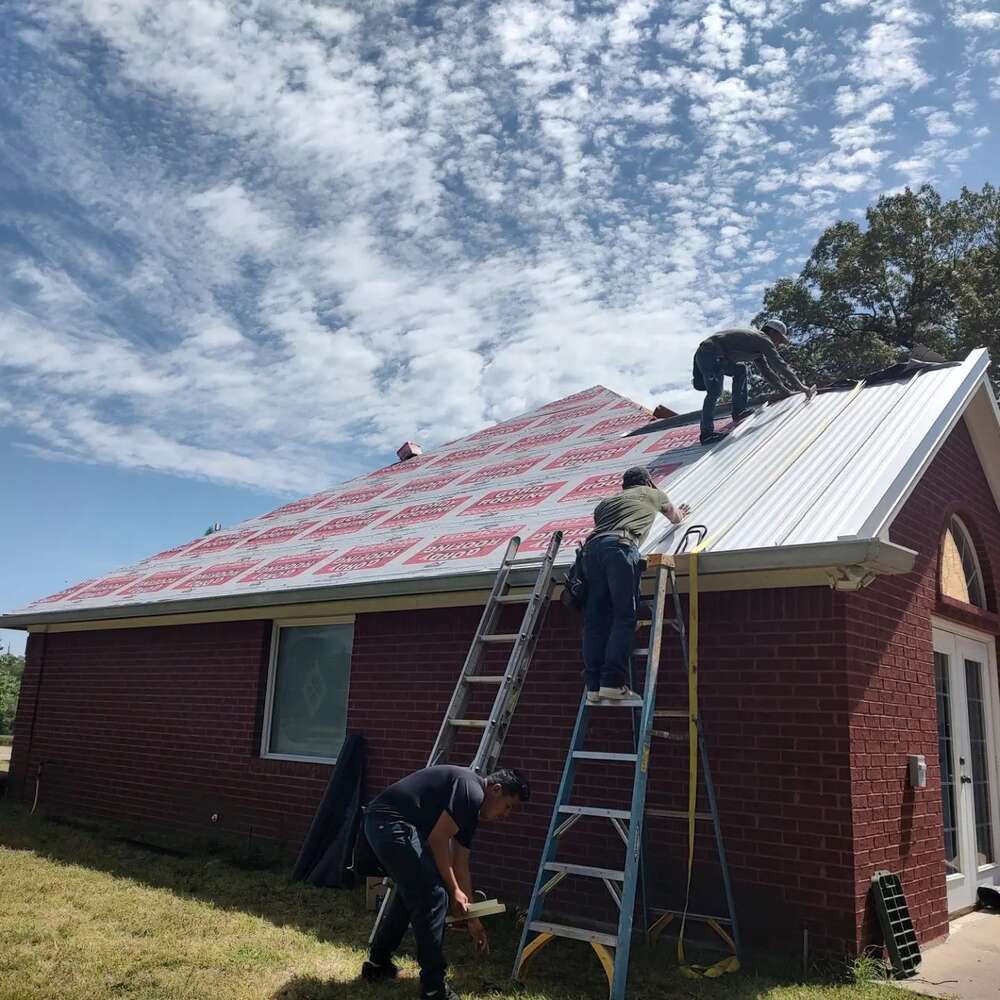
Longview homeowners face a mix of roofing problems that come from East Texas heat, humidity, heavy rain, hail, and fast-moving wind events. A small symptom can look harmless from the ground, but roof damage often spreads under shingles, around flashing, or inside the attic before it becomes obvious in the living space.
For this topic, Gordy Roofing recommends starting with our roof repair in Longview TX service. Our team uses the same local standards described here during every Longview roof leak repair project, and related situations may also call for professional roof inspection in Longview TX.
Start With The Symptom, Then Find The Source
The most useful roof repair habit is separating what you can see from what is actually causing the problem. A ceiling stain may start near a pipe boot, chimney flashing, valley, or nail pop several feet away from the damp drywall. A shingle lying in the yard may point to wind damage, brittle material, poor fastening, or an exposed section of roof deck that needs attention before the next storm.
Homeowners can safely document symptoms from the ground and inside the home. Take photos of stains, missing shingles, gutter granules, loose flashing, and damp attic insulation if it is safe to access. Avoid walking the roof after rain or storm damage. Wet shingles, weakened decking, and hidden punctures can make a simple check dangerous and can also make the damage worse.
- Inside the home: watch for brown ceiling rings, bubbling paint, musty odors, or damp insulation.
- At the roof edge: look for lifted shingles, exposed nail heads, loose drip edge, and clogged gutters.
- After storms: check for fresh granules near downspouts, dented vents, and torn shingles in the yard.
Roof Leaks Around Flashing, Valleys, And Penetrations
Many Longview roof leaks begin where the roof changes direction or where something passes through the roof surface. Chimneys, plumbing vents, exhaust vents, skylights, dormers, wall intersections, and valleys all depend on properly installed flashing. When flashing rusts, pulls loose, cracks, or was never tied into the roof system correctly, water can follow the path of least resistance into the attic.
Flashing leaks can be confusing because water often travels along rafters before it appears on a ceiling. That is why a professional repair visit should include both exterior roof inspection and attic review when access is available. A quick surface patch may stop a drip for one rain event, but the durable fix is to identify the failed transition and restore the water path so rain sheds off the roof instead of under the roofing system.
Missing, Lifted, Or Damaged Shingles
Shingle damage is one of the most common reasons homeowners call for roof repair in Longview. Heat can dry out older shingles, wind can lift tabs, hail can bruise or crack the mat, and foot traffic can break edges when shingles are brittle. Once a shingle is missing or lifted, the underlayment becomes more exposed to UV, wind-driven rain, and repeated weather cycles.
A small repair may be enough when the roof is otherwise in good condition and the damage is limited to a tight area. Matching the existing shingle profile, checking nearby fasteners, sealing exposed nail heads, and inspecting the surrounding field are all part of making that repair useful. If the roof has widespread granule loss, curled tabs, repeated leaks, or brittle shingles across multiple slopes, it may be time to compare repair cost against roof replacement options in Longview TX.
Storm Damage From Hail And Wind
East Texas storms can damage a roof even when there is no immediate leak. Hail may bruise asphalt shingles, dent metal vents, damage ridge caps, or loosen granules that protect the shingle from sunlight. Straight-line winds can crease shingles, lift tabs, expose nail holes, and loosen flashing. These issues matter because they reduce the roof's ability to shed water during the next storm.
After a significant hail or wind event, a storm-focused inspection is the safest way to understand what happened. Gordy Roofing documents roof slopes, vents, flashing, ridge areas, gutters, and interior symptoms so homeowners can make a repair decision with clear evidence. If the damage is active or water is entering the home, the next step may be emergency roof repair in Longview TX before permanent repairs are scheduled.
Ventilation, Heat, And Moisture Problems
Not every roofing issue starts with rain. Poor attic ventilation can trap heat and moisture under the roof deck, which shortens shingle life and can contribute to mold, soft decking, and higher cooling strain during Longview summers. In humid weather, an attic that cannot breathe may hold moisture long after a storm has passed.
Warning signs include unusually hot attic spaces, damp insulation, mildew odors, rusted nails under the roof deck, and shingles that age faster than expected. Repairing the roof surface without checking ventilation can leave the cause in place. A complete repair assessment should look at intake, exhaust, insulation placement, bath fan termination, and whether air can move through the attic as intended.
Gutters, Roof Edges, And Soft Decking
Gutters and roof edges are easy to overlook, but they control a large amount of water. Clogged gutters can push water under the roof edge, behind fascia, or into soffits. Damaged drip edge can allow water to curl back toward wood trim. Over time, these problems can create rot at the eaves and soft decking near the edge of the roof.
Soft decking is a bigger concern than a cosmetic shingle issue. If decking flexes, sags, or crumbles around a leak area, the repair may require removing shingles, replacing damaged wood, and rebuilding the water-shedding layers correctly. That is especially important near valleys, low-slope transitions, and shaded roof sections where moisture dries slowly.
When To Schedule A Roof Repair Inspection
Schedule a repair inspection when a leak appears, shingles are missing, flashing looks loose, storm damage is suspected, or the same area has needed repeated patching. Waiting can turn a targeted repair into insulation damage, drywall repairs, or decking replacement. It can also make insurance documentation harder after a storm because later damage may blur what happened and when.
Gordy Roofing helps Longview homeowners identify the source of the problem, separate urgent issues from maintenance items, and choose the right next step. For many homes, that means a focused repair. For older or repeatedly damaged roofs, it may mean documenting the current condition and planning a replacement timeline before the next major weather season.